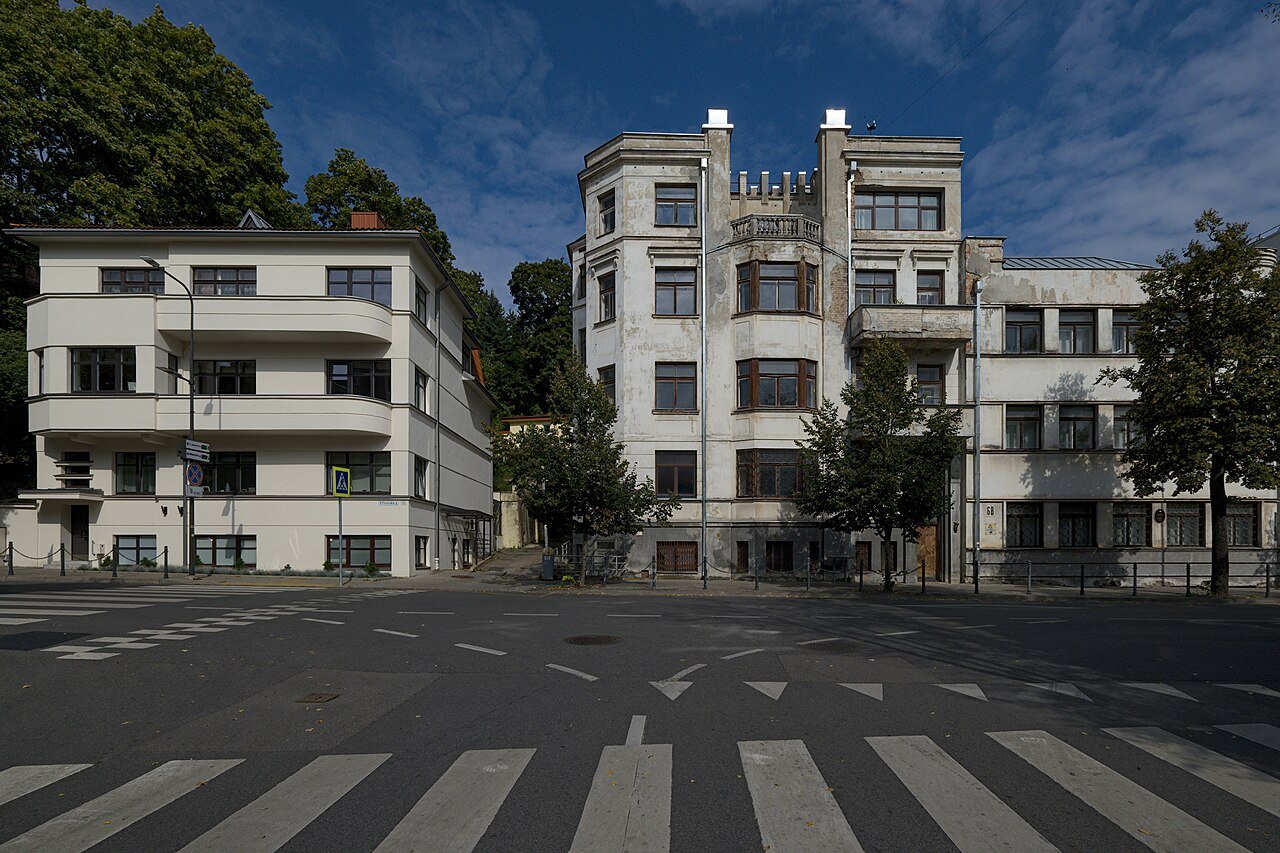
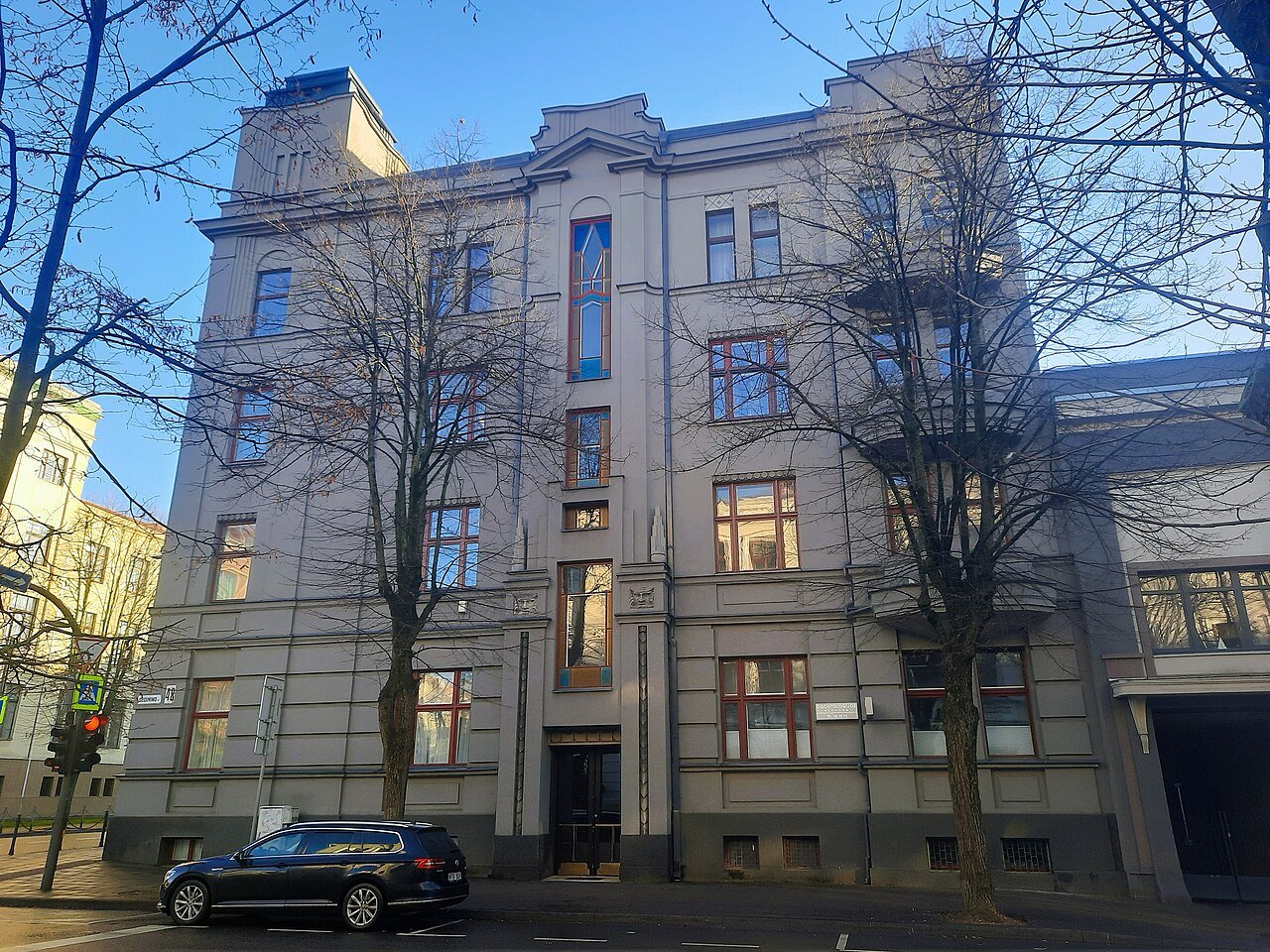
That is the key to the city. Between the wars, with Vilnius lost, Kaunas became Lithuania’s temporary capital. Ministries, apartments, banks, cinemas and offices had to appear quickly enough for a young state that wanted to look European because, frankly, it was busy becoming one. Architects returned from studies abroad carrying modern ideas. The result was not one grand monument but a whole urban mood.
That interwar modernism is now UNESCO World Heritage. But do not turn it into an architecture exam. Walk Putvinskio, climb Žaliakalnis, look at the curved windows, restrained façades and stairwells, then remember that these buildings were once new. Kaunas makes more sense when you see the confidence behind the concrete.
Vytas: Kaunas has spent years being introduced as Lithuania’s second city, which is roughly as useful as introducing someone as the second-tallest person at dinner. Forget the ranking. This is the city where Lithuania practised being modern — and left the rehearsal set standing for us to walk through.