Your first Lithuanian sauna is not a hot room. It is a ritual.
From Vilnius, a proper pirtis can be an easy city-edge evening or the reason to spend a night by a lake. The key is choosing a Lithuanian steam ritual, not merely a hotel sauna with a flag on it.
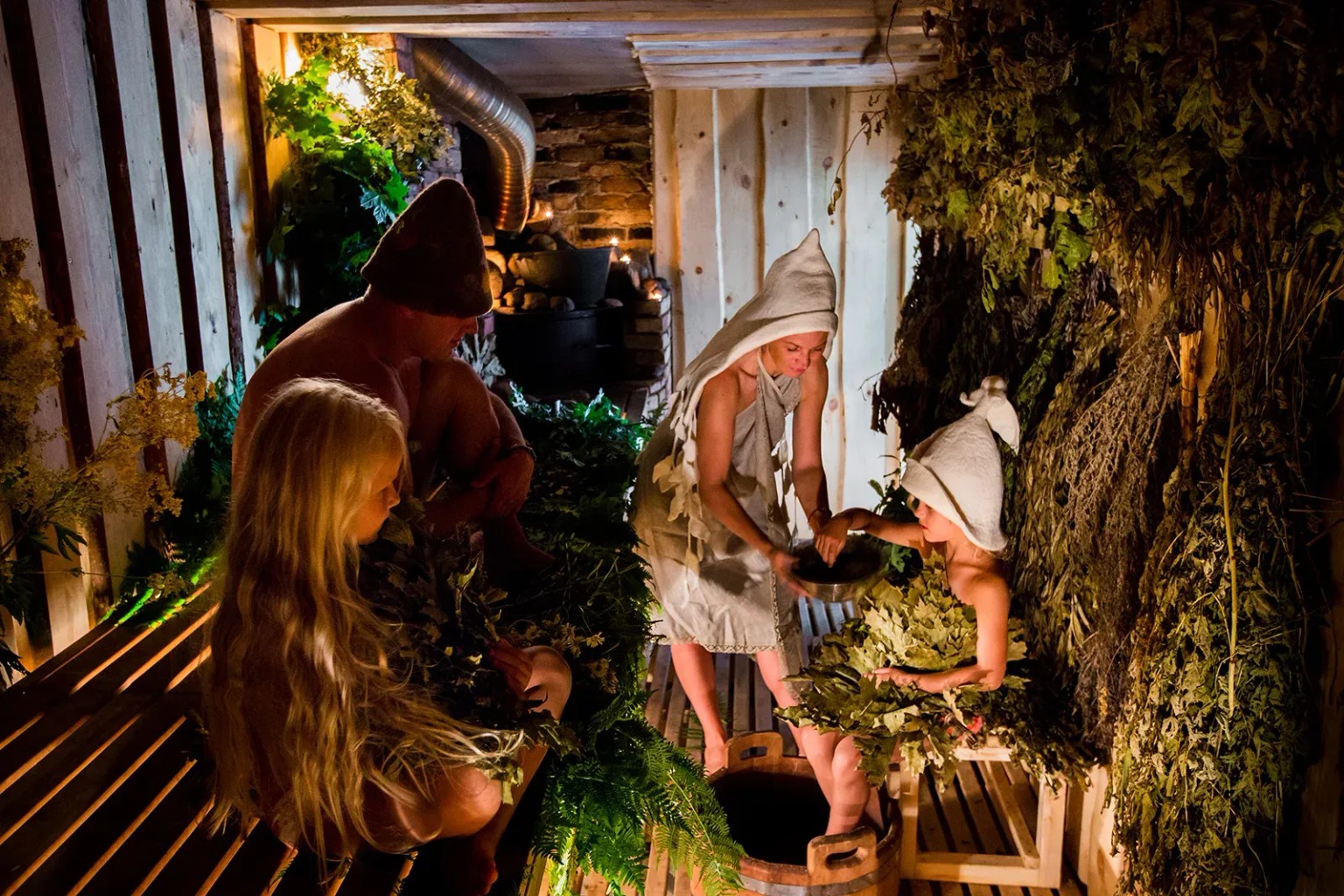
A proper pirtis is one of the best-value cultural experiences in Lithuania.
Worth building a day around: 9/10 if it is guided or beautifully located.
Value for money: Exceptional when a small group shares a private sauna; still very good for a professionally guided ritual.
Tourist-trap risk: Medium if “Lithuanian sauna” means a generic dry hotel box with no steam, whisks or context.
Can you do it yourself? Yes for a simple sauna. For your first real pirtis, a good pirtininkas changes the experience completely.
There is not one Lithuanian sauna.
From Vilnius, the easiest first step is a traditional sauna around the capital; if you want a destination ritual, build it into a countryside night rather than commuting back sweaty at midnight.
Steam, plants, vantos, cold water, tea.
This is the version I would choose for a first-time visitor. The point is not surviving the highest temperature. It is the rhythm: warm, steam, whisk, cool, rest, repeat.
Best first experienceFor a first pirtis, choose guidance over macho heat. The good version is choreography — steam, vantos, cold, tea, rest — not a contest to see who leaves looking most medically interesting.
S77°: heat meets recovery culture.
Kaunas-based S77° combines guided heat, cold-water rituals, breathing, scent, sound and group sessions. Its 2026 material also lists formats involving yoga and other events. Venue verified online. Current 2026 traveller feedback repeatedly praises the guided heat–cold contrast, breathing and facilitators; personal field check comes later.
New LithuaniaCurrent 2026 feedback on S77 is unusually consistent: people praise the guided heat–cold contrast, breathing and facilitators. Editorially, it looks genuinely interesting; the personal field check can come later.
Sauna → lake → silence.
Often the best version is also the simplest: rent a lakeside place, heat the sauna, cool in open water and make the evening the event rather than one more attraction.
Highest memory valueThis is the version most likely to become a story you keep telling. The equipment is primitive — wood, water, birch — and that is precisely why it works.
Your first pirtis, without the mystery theatre.
A professional ritual may vary, but the basic logic is easy enough to understand before you arrive.
Do not start by trying to prove anything.
Warm gradually. Lithuanian pirtis is usually steam-led, not a competition to sit in 110°C until somebody's ancestry appears before their eyes.
Water on stones changes the room.
The pirtininkas manages heat and humidity. Herbs and natural scents may be introduced. The atmosphere should feel enveloping rather than aggressively dry.
The leafy branches are not punishment.
Birch and other plants are used to move hot air, massage and release aroma. Good technique can be gentle. It is closer to a ritual massage than being attacked by a small tree.
Lake, shower, plunge or outside air.
The contrast is part of the experience, but nobody sensible needs to turn it into a macho challenge. Follow the venue's safety guidance and your own limits.
Tea is not dead time.
The pauses are part of the ritual. Talk, drink water or herbal tea, sit outside and allow the nervous system to notice that you are on holiday.
From €170 private city sauna to a full manor ritual.
These are examples, not a universal price list. They show how wide the category is.
Pilaitė Mill Sauna lists its Old Sauna for 4–8 people, five hours, without a sauna master. Add professional guidance if you want the cultural layer.
Pilaitė Mill Sauna — details ↗Manor Sauna programme for at least 10 people; each additional person €20, plus Open-Air Museum tickets. Strong group value when the history is the point.
Open-Air Museum — context ↗Šniūrai's 2026 lakeside sauna service varies by group size; the same property lists kayaks at €15/day and boats at €20/day.
Šniūrai — details ↗The current public site describes sessions and private events but does not surface a simple universal walk-in tariff in the material checked. Treat the experience as verified, the exact price as “check current booking”, and any personal field verdict as something to add only after an actual visit.
Check S77° current sessions ↗If this guide sends you to a sauna, spa or stay, mention Lithuania Unscripted when you book or arrive. It costs you nothing and helps the venue know independent travel guidance brought you.
Things that make pirtis distinctly Lithuanian.
Not all of them need to happen in one evening. That would be less a sauna and more a botanical coup.
There is a sauna built with about three tonnes of Baltic amber.
Lithuania Travel highlights an amber sauna whose walls, ceiling and benches are covered with natural amber. I would go for curiosity, not because amber needs to “detox” anything.
A vanta does not have to be birch.
Lithuanian sauna culture uses different plants and branches; official tourism material mentions everything from birch and red oak to nettles, hemp, hazel and juniper in specialist rituals.
A 17th-century manor sauna can be experienced in Rumšiškės.
The reconstructed Manor Sauna uses historical descriptions and includes an old water-heating ritual in which a flame-heated stone is dropped into cold water.
Yoga in a sauna-adjacent recovery culture is now normal enough to advertise.
S77°'s 2026 programme language moves comfortably between steam, ice, breathing, music, scents, yoga and community events. That contrast — old ritual, new packaging — is exactly why the subject belongs here.
This is a travel guide, not a medical prescription. Heat and cold exposure are not suitable for everyone. Follow professional guidance and seek medical advice when relevant rather than treating “traditional” as a synonym for “risk-free”.
Can you do this yourself? Yes.
DIY: book the venue directly, read its etiquette, bring what it asks for and keep the evening simple.
When I help: choosing traditional vs modern, fitting it around a Kaunas/Vilnius day, finding a private small-group option, or joining when what you want is context and company rather than a formal tour.
What is checked — and what can change.
Core facts and 2026 price anchors checked 26 August 2026. Dynamic accommodation, restaurant and experience prices should always be confirmed before booking.
Hacks that earn their place
Hacks that earn their place
- Book a ritual master, not a room. The difference between a hot room and a proper pirtis is entirely the person running it. Paying for the human is the whole transaction.
- Eat afterwards, not before. A full stomach and repeated heat cycles is a combination nobody enjoys discussing later.
- Say yes to the cold plunge. It sounds like the unpleasant part. It is the part that makes the whole thing work, and the reason people look so unreasonably cheerful on the way out.
- Hat on, phone off. The felt hat is not a joke souvenir; it protects your head while your body cooks. The phone is simply irrelevant for three hours, which is half the point.
- Do not treat it as a competition. Leaving the steam room early is normal, expected and infinitely better than being carried out having proved something to nobody.
- Winter beats summer. Snow, a frozen lake and a wood fire is the version people fly back for. August is merely nice.
- Allow three hours minimum. A rushed pirtis is a shower with extra steps.
Go, and go to the real thing rather than a glass box in a hotel basement. A proper pirtis involves a calm professional hitting you rhythmically with a bundle of wet birch branches while you lie down and thank him. Written out like that it reads like a court transcript. Experienced properly it is the best three hours available in this country, and you will spend the flight home failing to explain it to somebody who does not believe you.
TIME: 3–4 h, unhurried · BEST: winter, or after a cold lake · VERDICT: the one thing here you genuinely cannot get at home
Want the right pirtis, not just the nearest sauna?
The public guide tells you how to book it yourself. If you want me to filter the options for your group, combine it with dinner / a lake / Kaunas or Vilnius, or simply come along and translate the ritual into normal human language, that is the optional layer.
See how help works →DIY default
Book direct. A proper first pirtis does not need a complicated booking layer.
Optional upgrade
Selection, context, timing and company — especially useful for a small group whose members have very different relationships with heat.
OLD RITUAL · NEW GENERATION · KAUNAS
S77° — what happens when pirtis refuses to become a museum exhibit
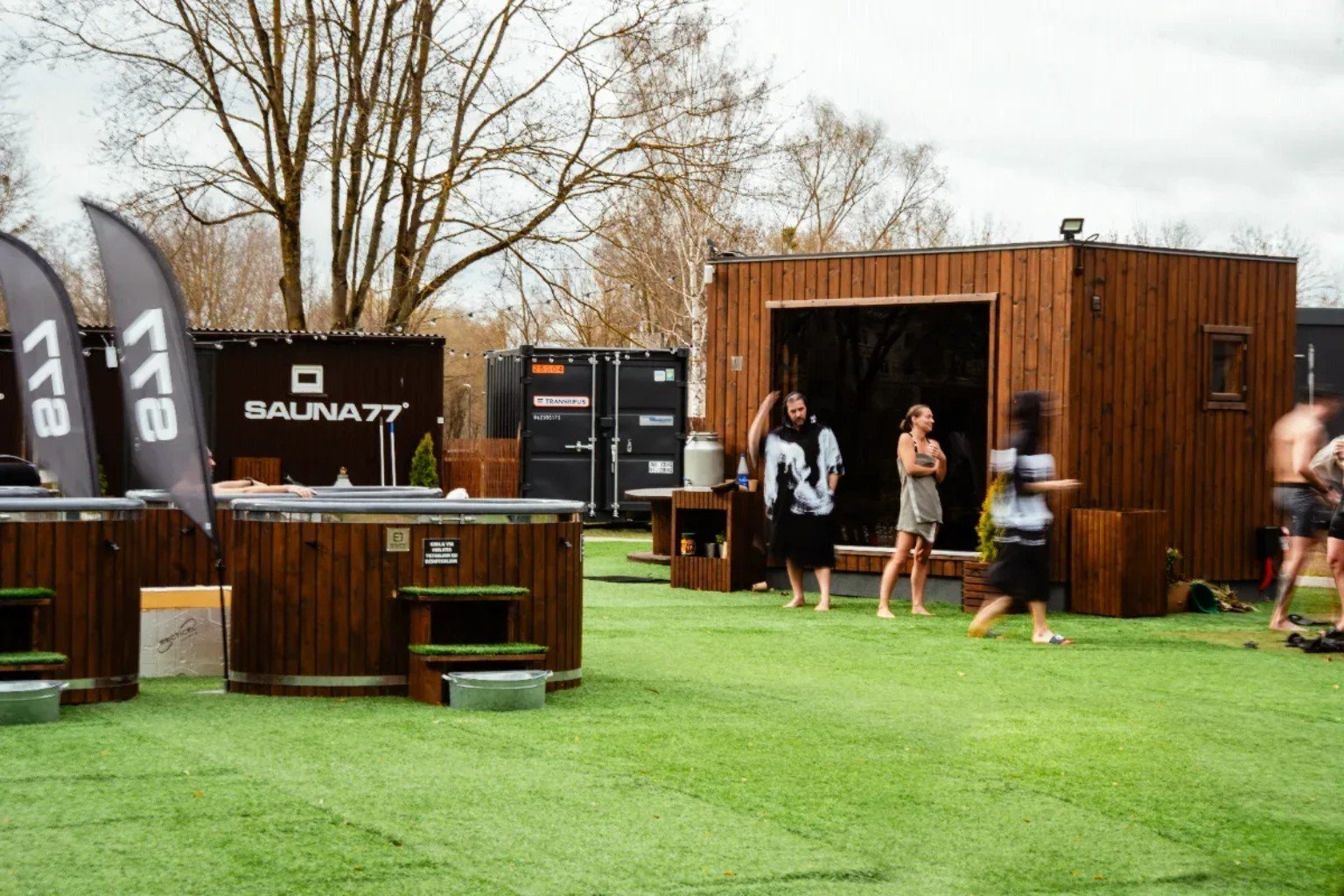
Lithuanian pirtis did not need a wellness app to exist. What is interesting now is what a younger generation is doing with the old grammar: heat, steam, cold water, breath and time together — then adding guided sessions, scent, music and a community that is more likely to arrive in running shoes than folklore costume.
This is progress we like: keep the ritual; lose the museum glass.
Use it as an activity, not just something to read about. S77° runs guided heat/cold and recovery sessions in Kaunas. For international visitors, look for sessions marked for English speakers in the booking calendar.
Check the live S77° calendar ↗
Vytas' verdict: one of the better examples of young Lithuania taking something old and making it genuinely desirable again.
FROM THIS PAGE TO THE WHOLE TRIP
One page solves one decision. The Handbook connects the trip.
Twenty chapters join the days, bases, transport, food, destinations and things worth skipping into one offline plan. If you would rather not assemble it yourself, Trip Build applies the same judgement to your dates.
Trip Build and €99 support both include the complete Handbook at no extra cost.