Nida is not a day trip. That's the point.
From Vilnius, give the Curonian Spit two nights and treat the journey west as a change of country texture, not a box to tick before dinner.
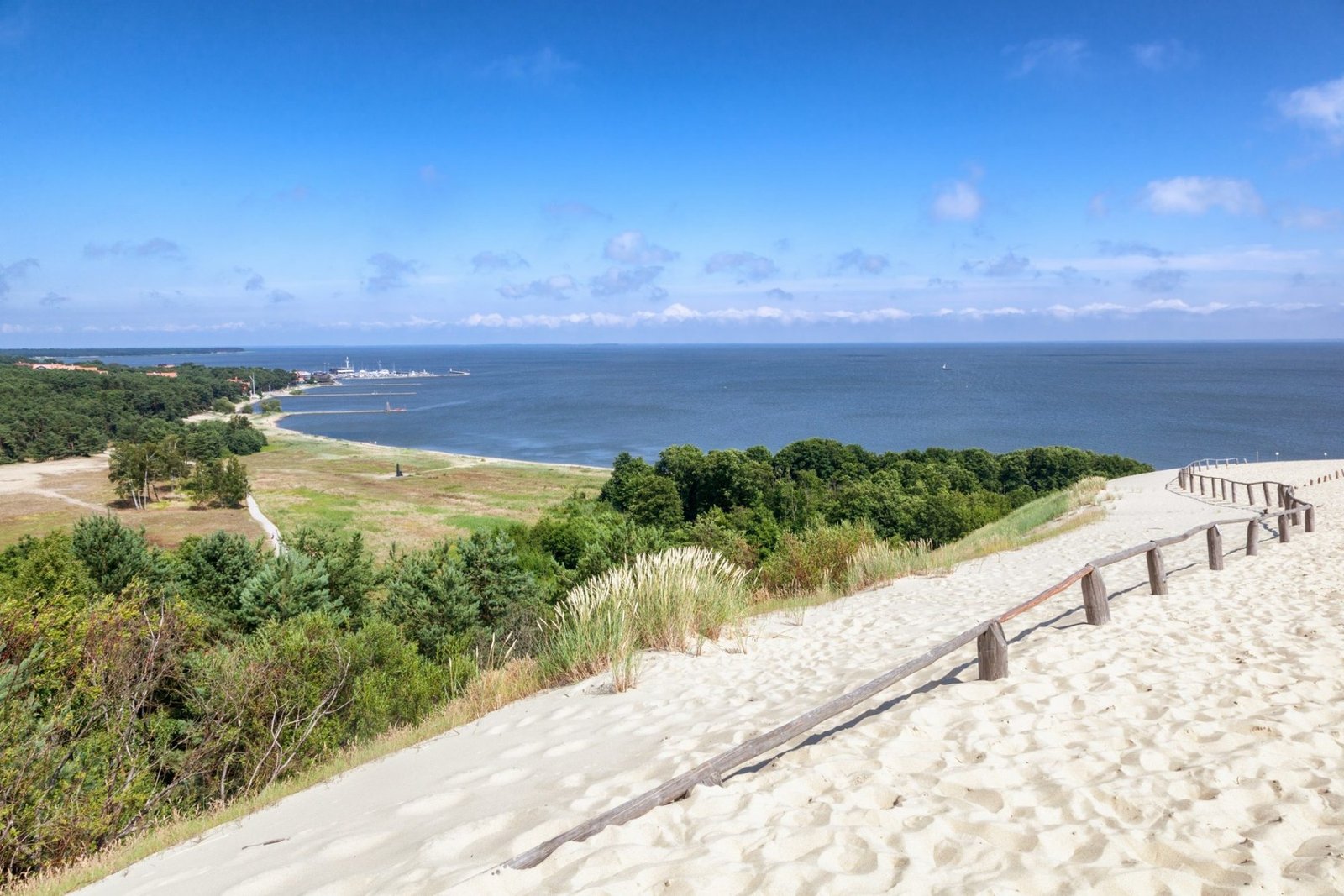
Worth the effort? Absolutely — if you give it enough time.
Worth the detour: 9/10 for two nights; 5/10 as a frantic same-day return from Vilnius.
Value for money: Exceptional in shoulder season. Merely fair in peak summer if you book late.
Tourist-trap risk: Low. The main risk is overpaying for convenience in July/August, not the landscape disappointing you.
Do you need me? No. You need the right transport decision and enough time.
Why Nida earns the detour.
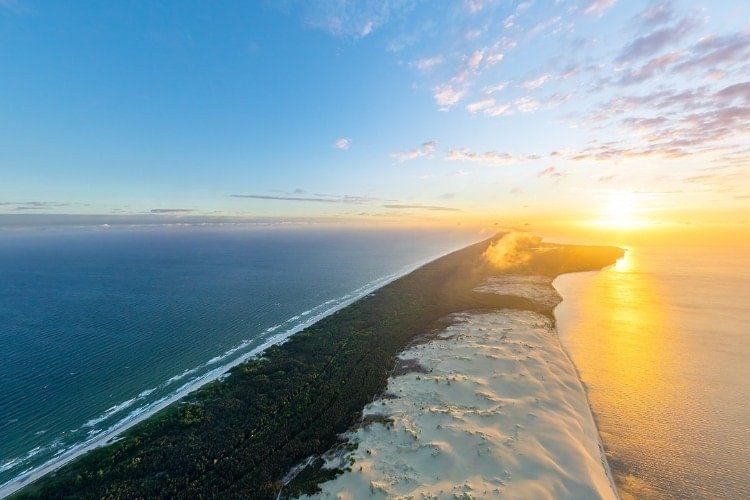
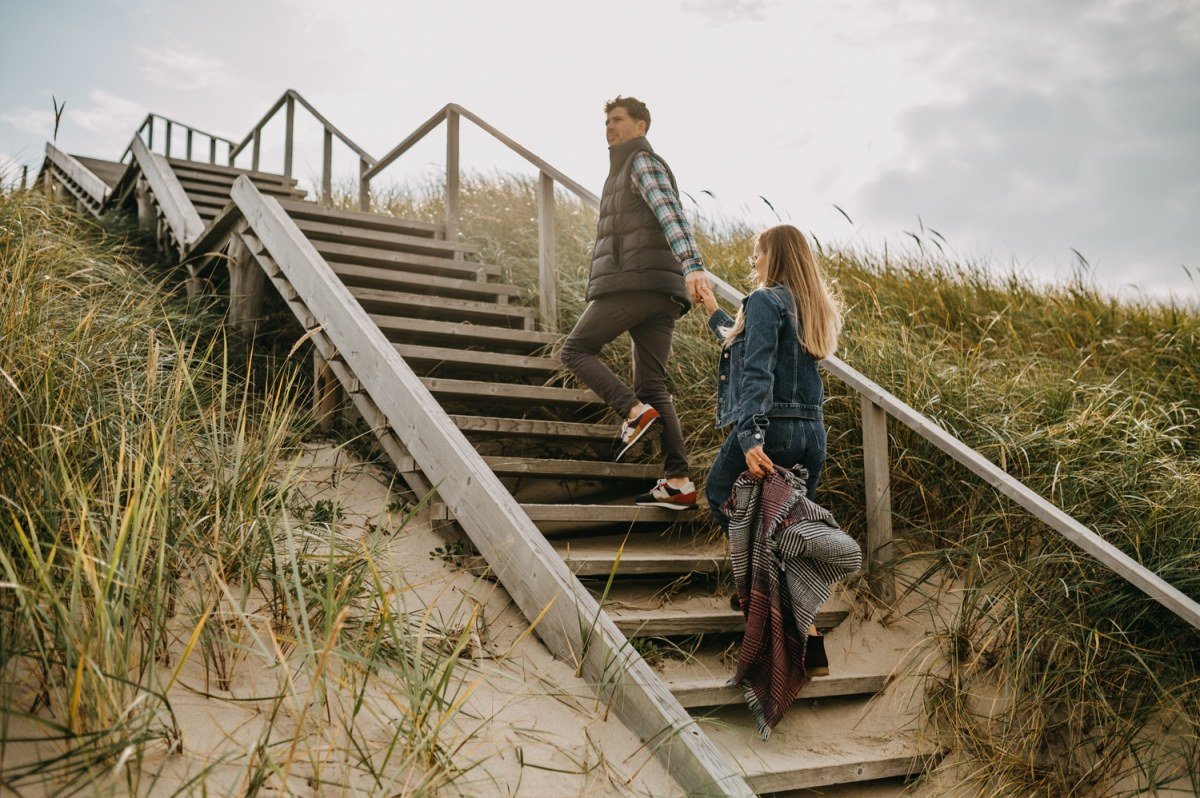
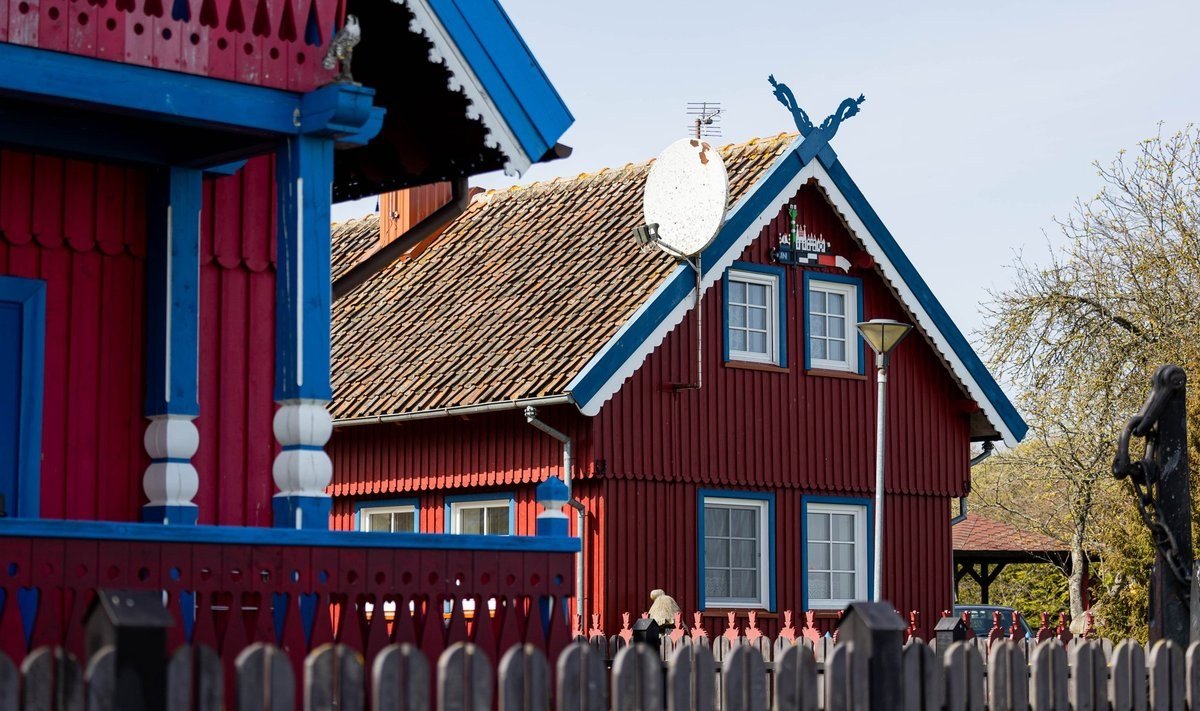
Not one monument. A sequence: climb the dune, walk through old fishermen’s houses, cross the marram grass, then watch the Spit become almost absurd from above.
Car or no car?
From Vilnius, rail to Klaipėda plus ferry works surprisingly well if you are happy to use local buses and bicycles once on the Spit. A car buys flexibility, but it also buys fees.
Best for couples, solo travellers and slow weekends.
Train to Klaipėda, walk to the Old Ferry Terminal, cross as a passenger, then use Neringa buses, bicycles and your feet. It turns the ferry into part of the holiday rather than a toll booth.
Cheapest + least adminFor a first visit, this is often the elegant answer. The ferry feels like arrival, buses and bikes do the rest, and you avoid paying extra to transport a car that mostly sits still.
Best for families and multi-stop days.
The 2026 round-trip vehicle ferry is €23.20 and vehicle passengers do not need separate ferry tickets. Neringa then charges an entry fee: €50 for a standard car from 20 June–20 August, €10 for most of the rest of the year.
Flexibility has a priceBring the car for children, luggage or multi-stop flexibility — not because you fear public transport. Neringa charges for convenience, and in high summer it charges with admirable self-confidence.
The Spit makes more sense at 18 km/h.
Nida, Preila, Pervalka and Juodkrantė are not attractions to “collect”; cycling lets the forest, lagoon and settlement rhythm become the experience. Take only the distance your legs and weather actually want.
High memory valueUNESCO describes the Spit as a landscape made by wind, sand and generations of human intervention. At bicycle speed you notice that story instead of merely photographing its dunes.
A standard car in high season starts with €73.20 before fuel or parking: €23.20 ferry + €50 Neringa entry. In Nida, 2026 green-zone parking is €1/hour or €6/day from 1 June–31 August. That does not make the car wrong — it makes “free flexibility” a myth.
Do less. Notice more.
From Vilnius, arrive by early afternoon if possible. The first evening belongs to Nida itself; the second day belongs to the Spit.
Lagoon first. Dune later. Sunset last.
Check in, walk the lagoon edge, see the fishermen's-house texture rather than only souvenir fronts, then climb toward Parnidis for the landscape reveal. Eat after the light softens. This is one of those places where “do nothing for 40 minutes” belongs in the itinerary.
Fun fact: the Spit is around 98 km long and shared by Lithuania and Russia's Kaliningrad region; its shape exists partly because humans spent the 19th century trying to stop moving dunes from burying settlements.
Thomas Mann → villages → Dead Dunes → Juodkrantė.
Start with Thomas Mann's summer house while your brain is fresh. Then move north through Preila and Pervalka. Walk the Nagliai educational trail inside the Dead Dunes during its regulated opening hours; continue toward Juodkrantė for a different village scale, forest and the Hill of Witches if folk sculpture is your sort of strange.
2026 anchor: the Nagliai trail is €5 for adults, €2 for students/pensioners; schoolchildren and children under 6 enter free. Stay on the marked trail — the fragility is the point.
One last sea walk, then go.
Do not schedule a 07:00 escape unless your flight forces it. Coffee, Baltic-side beach or lighthouse, then ferry back to Klaipėda. If your next stop is Kaunas, the journey is materially shorter than returning to Vilnius.
From Vilnius: the road distance is roughly 355–360 km; that is why I would not burn eight or nine hours of a short trip on a same-day return.
The best-priced culture on the coast may cost less than your coffee and cake.
Nida can be expensive to sleep in and surprisingly inexpensive to understand.
Adult entry to the memorial museum. Mann and his family spent three summers here, 1930–1932.
Adult combined ticket for Thomas Mann, Curonian Spit History Museum, Fisherman's Homestead and Nida lighthouse. Family/group ticket up to five people: €12.
Adult ticket to the regulated Dead Dunes trail. One of the rare fees where the money also reminds you the landscape is not a playground.
Nida has more than dunes and smoked fish.
Three details that change how the place feels.
Thomas Mann bought into Nida before Instagram existed.
The Nobel laureate first visited in 1929, built a summer house in 1930 and wrote here over three summers. The house later survived war damage, Soviet-era repurposing and several restorations.
July can mean Brahms after the beach.
The 2026 Thomas Mann Festival ran chamber and classical programmes in Nida's Lutheran church, with tickets around €15–25. That combination — dunes by day, serious music at night — is very Lithuania Unscripted.
The dunes once swallowed villages.
The “Dead Dunes” name sounds theatrical, but moving sand genuinely buried old settlements. Stabilisation work changed the landscape and made today's protected Spit possible.
Cross the Spit to the Baltic after dinner.
The lagoon and Baltic are close enough that the light, wind and temperature can feel like two different coasts in the same hour.
Yes — and you probably should.
Nida is easy once you stop trying to optimise it like an airport connection.
When I would actually help.
Useful: family logistics, a one-week national route where Nida has to fit without wrecking the pace, cycling/boat combinations, food preferences, or wanting someone to pre-filter the coast for value.
Not useful: charging you to explain where the ferry leaves. That information belongs here for free.
2026 fees checked.
Core prices and access rules checked 26 August 2026. Accommodation and restaurant prices remain dynamic.
Hacks that earn their place
Hacks that earn their place
- Book the ferry crossing ahead in summer. The queue is the single most avoidable bad memory available on this coast.
- Two nights or don’t bother. The dune at sunset and the lagoon at sunrise are two different places, and a day trip gets you neither.
- Bring a bike, or rent one immediately. The Spit is long, flat, forested and built for cycling. A car here is mostly a storage problem.
- Eat smoked fish where the smokehouse is working. If nothing is smoking, you are buying yesterday at today’s prices.
- Sunset on the dune, sunrise on the lagoon. Everybody does the first. Almost nobody does the second, which is why the second is better.
- Avoid July weekends unless the experience you are seeking is a car park with a view.
- Take a jumper in August. The Baltic is on the other side of the trees and it has opinions about evenings.
Go — but sleep there. Nida as a day trip is four hours of driving to look at sand, followed by four hours of driving to think about it. Nida with two nights is a different country altogether: a thin spit of dunes and pine holding the Baltic apart from a lagoon, smoked fish eaten standing up, and an evening light that makes competent photographers stop and swear quietly. Attempt it on a July weekend and your abiding memory will be a ferry queue.
MINIMUM: two nights · AVOID: July weekends, ferry queue · VERDICT: the best two nights in Lithuania and the worst day trip in Lithuania
Want the coast without wasting half the week getting there?
The public guide is free. If Nida has to fit around children, flights, Kaunas/Vilnius, a rental car or a larger national route, the paid part is me removing those decisions.
See how help works →DIY default
Two nights, sensible ferry choice, one proper Spit day. You do not need a handler.
Optional upgrade
I can fit it into the rest of Lithuania, choose the least annoying transport chain, or join a coast day when local company adds something.
Eat the place
Do not leave Neringa without understanding the smoked-fish logic.
Nida, Preila and Juodkrantė each give you different ways to make fish part of the route rather than a tourist lunch appointment.
The mainland coast is a different trip, not a worse Nida.
If you have already done the Spit, or only have one coast day, Klaipėda → Karklė → Palanga can be more coherent than forcing Nida into the schedule.
FROM THIS PAGE TO THE WHOLE TRIP
A hotel is only one decision.
The more expensive mistake is giving the wrong place the night. The Handbook chooses the base first, then asks what the room is supposed to do.
Trip Build and €99 support both include the complete Handbook at no extra cost.