Palūšė + Lūšiai
The easy anchor: lake access, boats, accommodation and enough infrastructure to avoid turning the first evening into a search for food and a paddle.
Read the full guide →Pine forest, linked lakes, rivers and villages make north-eastern Lithuania one of the best places to slow a trip down deliberately.
Aukštaitija is not one lake. It is a network of lakes, pine forest, villages, rivers and slow movement. The overnight is the feature, not a scheduling inconvenience.
Best first base: Palūšė / Lūšiai area.
Time: one night minimum; two if water is the point.
The easy anchor: lake access, boats, accommodation and enough infrastructure to avoid turning the first evening into a search for food and a paddle.
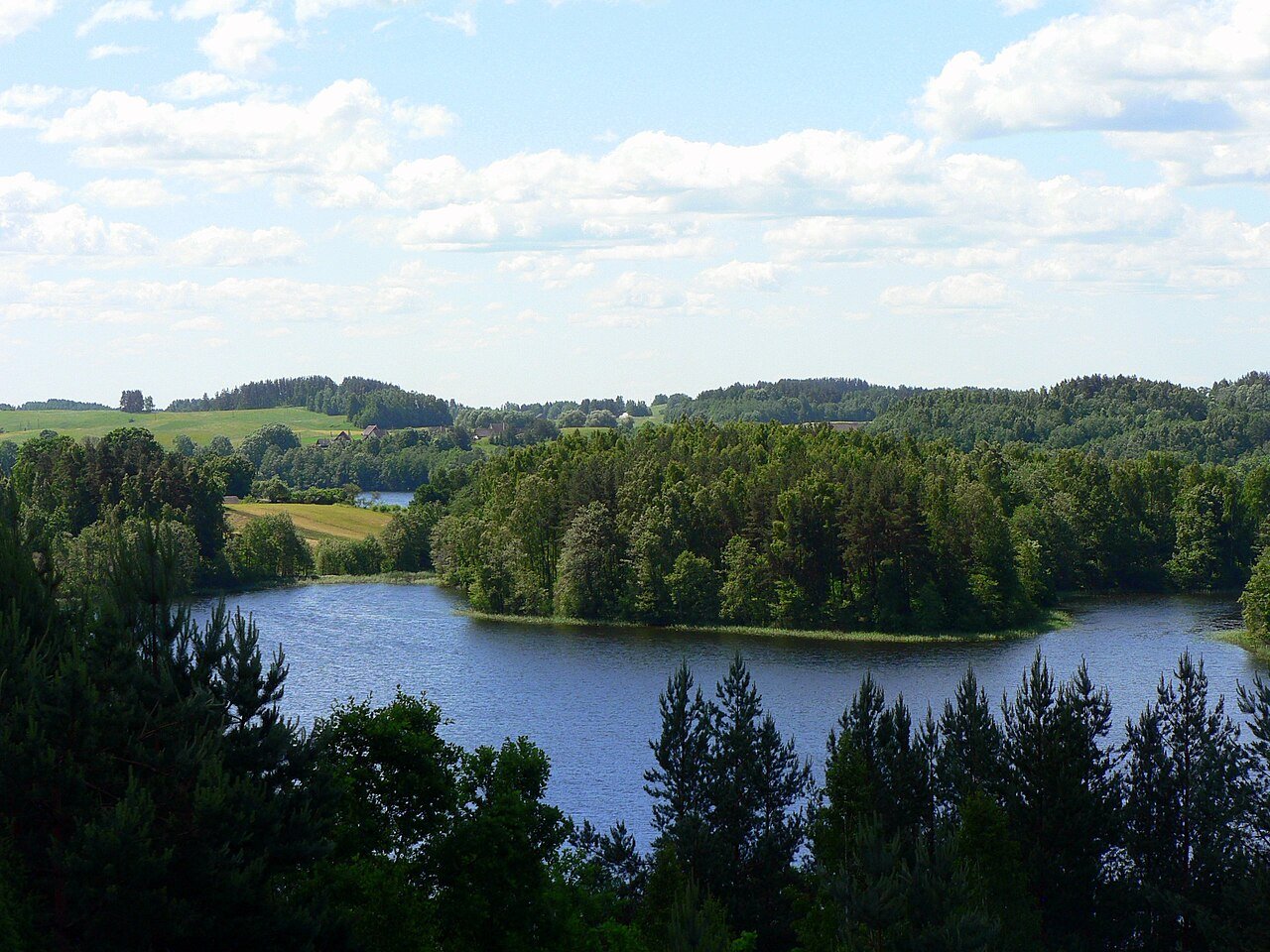
Read the full guide →A high point over the lake-and-forest landscape. Useful because it explains the geography in one glance instead of another paragraph about glacial terrain.
Pick the river for your appetite: calmer and beginner-friendly, lake-country exploration, or something more technical. The kayak guide compares them properly.
Read the full guide →If you drive in, photograph one lake and drive out, you have successfully visited water. Sleep nearby, swim, paddle, use a sauna, wake up with nowhere urgent to be — now you have visited Aukštaitija.
North-eastern Lithuania is glacial country: hundreds of lakes gouged out and left connected by short rivers, with pine forest filling everything in between. Aukštaitija National Park — the country’s first, established in 1974 — sits at the centre of it, and contains well over a hundred lakes on its own.
The practical consequence for a visitor is unusual: you can travel between lakes by water rather than road. That is the thing this region offers that no other part of Lithuania does, and it is completely invisible if you drive in for an afternoon.
Take a house on the water near Palūšė or Lūšiai, and treat the lake as the activity rather than the backdrop. Two nights. This is the low-effort, high-return version.
Kayak or canoe the connected system. Half a day gets you genuinely away from roads; a full day gets you somewhere you could not have driven to. Gear rental is straightforward and inexpensive.
Read the full guide →Stripeikiai, Ginučiai and the older wooden settlements are preserved rather than staged, including a working watermill and the old beekeeping museum. Quiet, small, and worth an hour on the way to something else.
The viewpoint at Ladakalnis does something no map can: it makes the geography obvious in about four seconds. Several lakes visible at once, forest between them, and the sudden understanding of why local travel here historically happened on water. Go at the start of the trip rather than the end — it reframes everything you do afterwards.
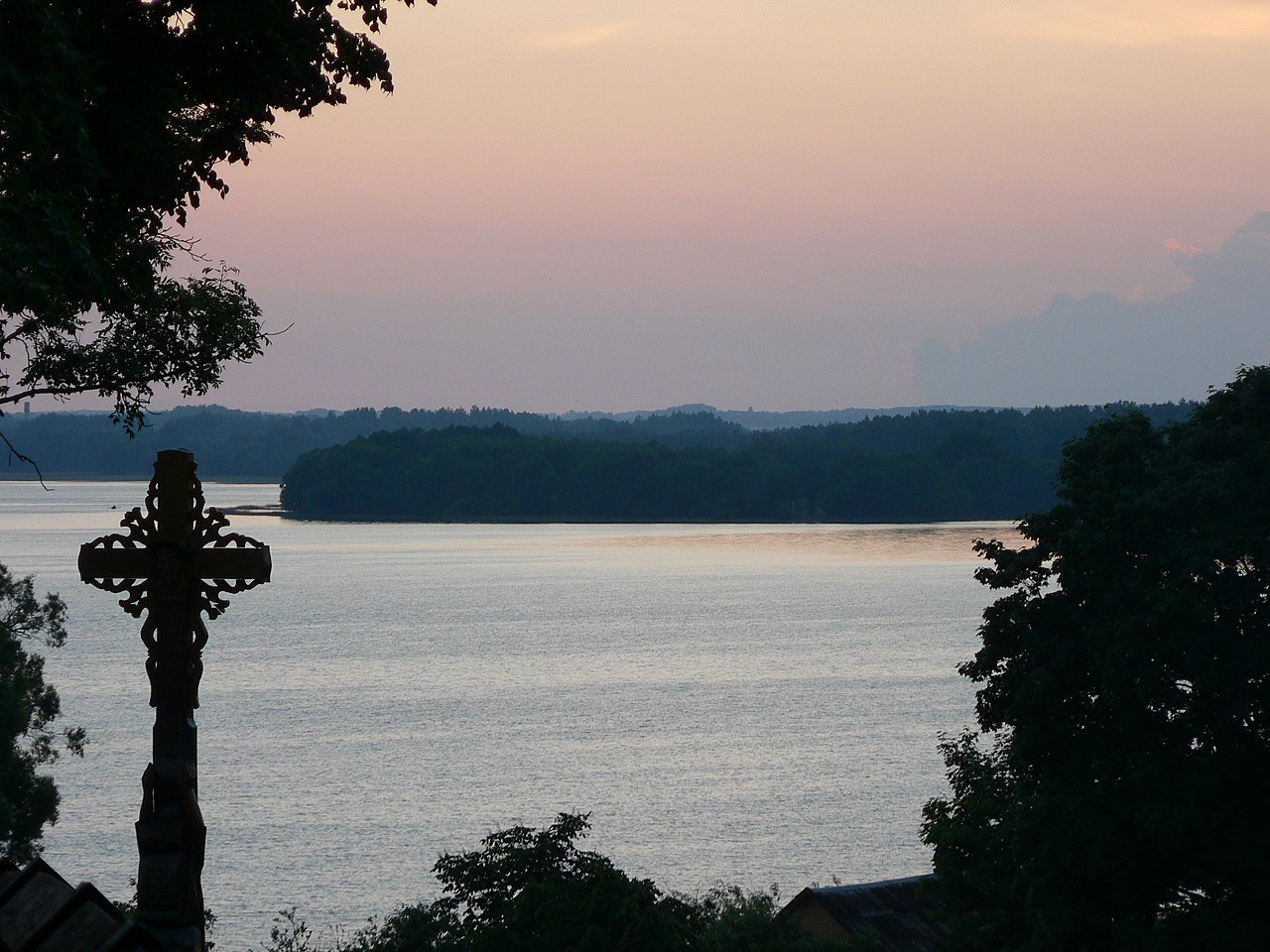
One night minimum, and I would push hard for two. Aukštaitija is not a lake, it is a network of them stitched together by rivers and separated by pine, which is exactly why day-tripping it makes no sense: you drive in, photograph water, drive out and miss the entire point. The point is the evening, when the surface goes to glass and the only sound in the world is somebody else's oar.
BASE: Palūšė / Lūšiai · MINIMUM: one night, ideally two · VERDICT: sleep there or do not bother
FROM THIS PAGE TO THE WHOLE TRIP
Twenty chapters join the days, bases, transport, food, destinations and things worth skipping into one offline plan. If you would rather not assemble it yourself, Trip Build applies the same judgement to your dates.
Trip Build and €99 support both include the complete Handbook at no extra cost.